
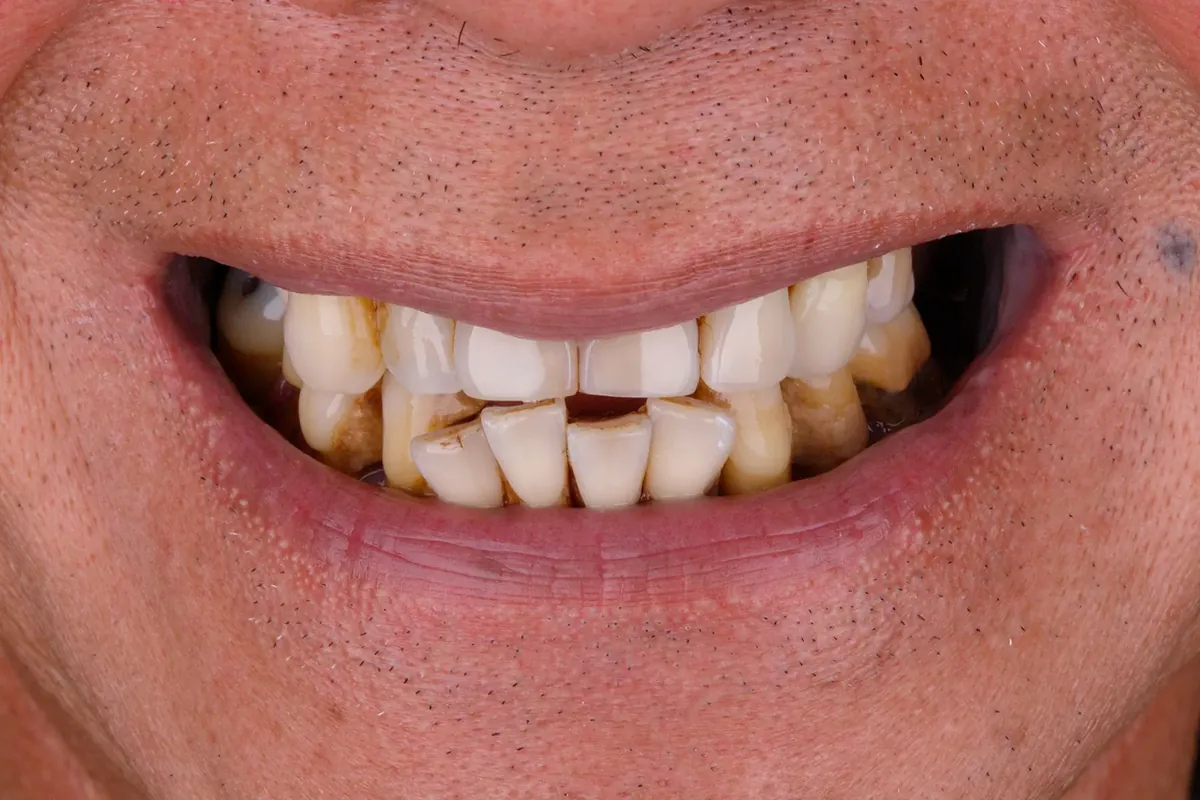
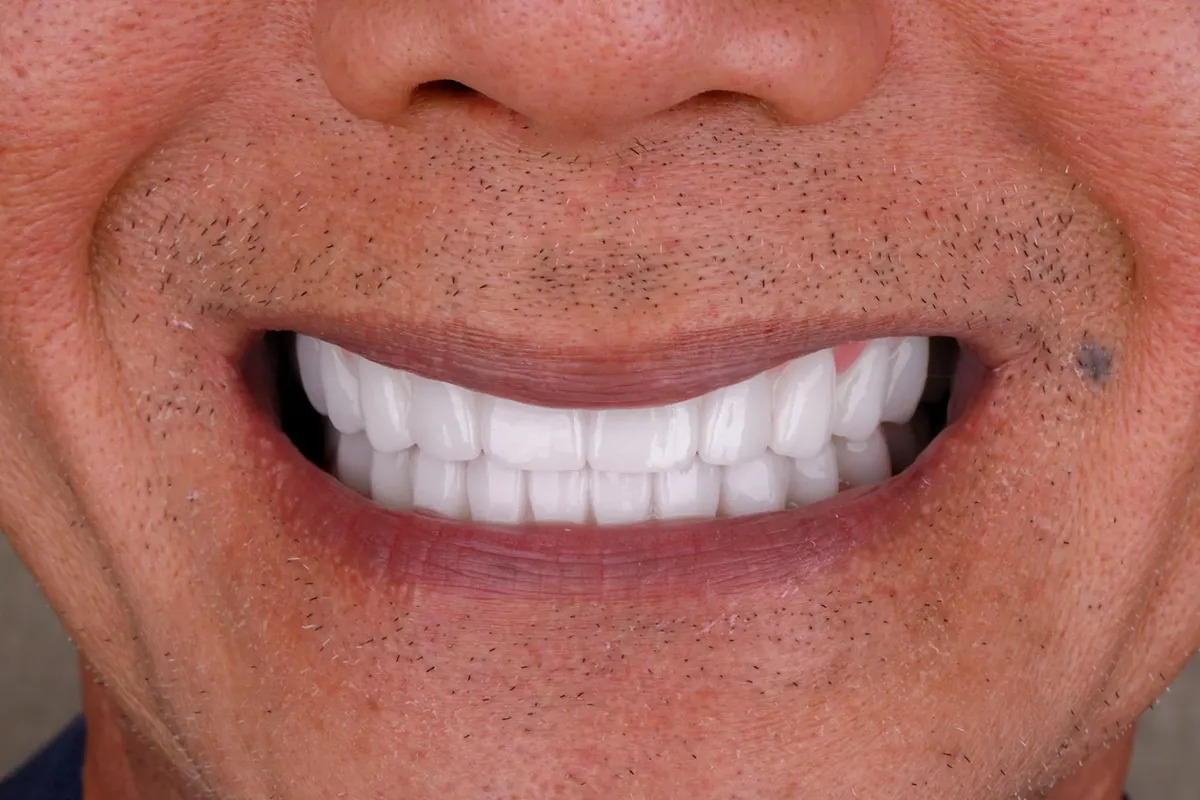
Hopeless cases, failures and revisions
Specialized implants for patients who have been told they are not a candidate for dental implants or that their situation is hopeless.
Specialized implant designs
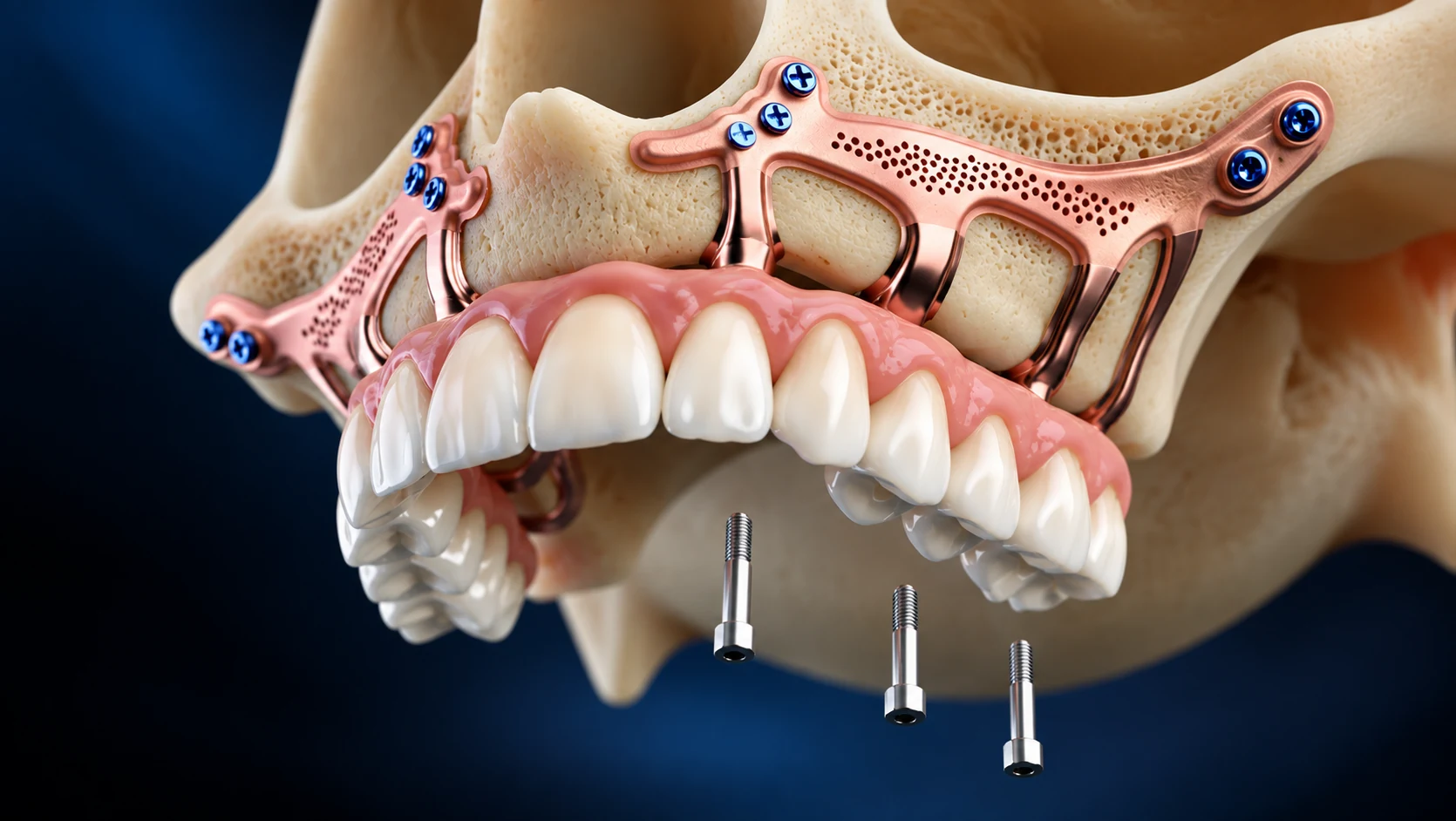
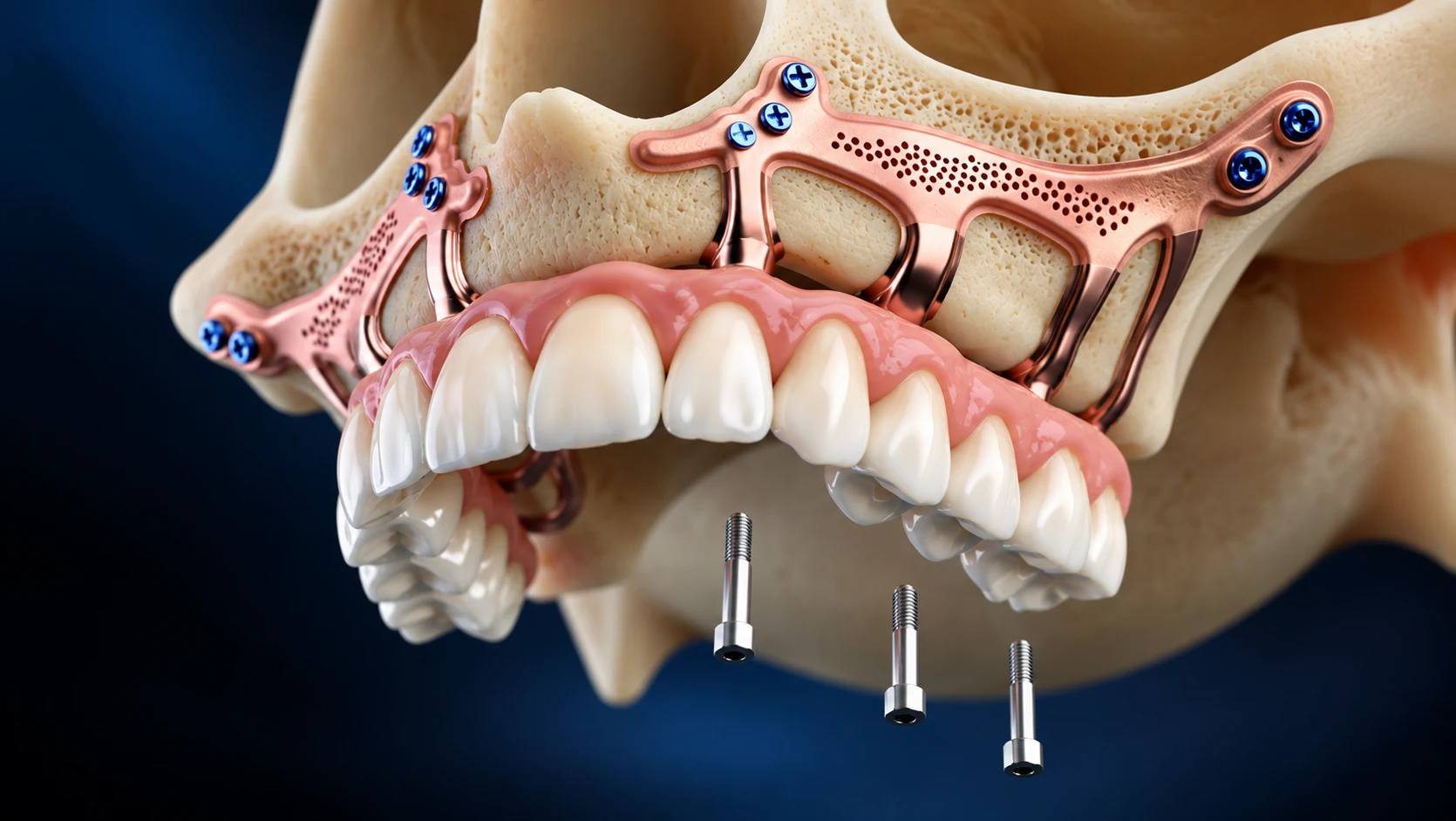
A subperiosteal implant is a custom-made titanium frame that rests on top of the jawbone, beneath the gum tissue, rather than being placed into the bone. It's designed from a 3D scan of your jaw and supports a fixed set of replacement teeth. This makes it an option for patients who have significant bone loss and may not be candidates for traditional implants.
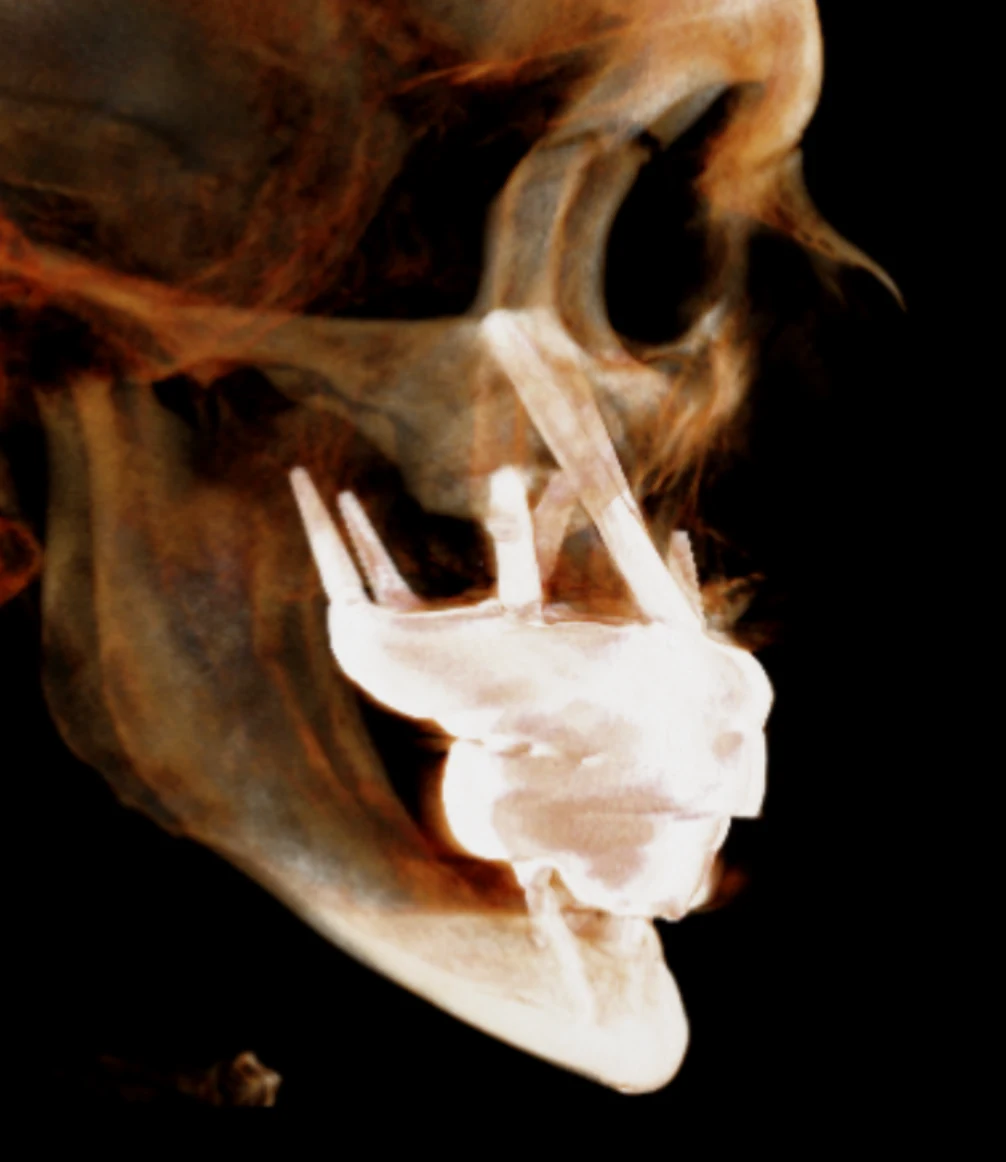
Pterygoid and zygomatic implants are longer implants that anchor in dense areas of bone beyond the upper jaw, instead of in the thin or weakened bone where traditional implants sit. Zygomatic implants anchor in the cheekbone, and pterygoid implants anchor in the bone at the back of the upper jaw. They're designed for patients with significant upper jaw bone loss and may allow a fixed set of teeth without bone grafting.
Where your story may begin
The treatment, clearly explained
The approach to give you hope. Samuel F. Jirik DDS is an international expert in advanced surgical techniques and teaches these techniques to other dentists, particularly on the design and placement of Subperiosteal implants. When conventional implants are not an option, specialized designs — including Subperiosteal, Zygomatic and Pterygoid implants — can use the bone structures that remain.
Candidacy is determined during a comprehensive evaluation with Samuel F. Jirik DDS. This page is general education, not a treatment recommendation.
The Jirik standard
Advanced designs can succeed where conventional placement cannot.
Subperiosteal, Zygomatic and Pterygoid implants draw support from bone other approaches cannot use.
Samuel F. Jirik DDS teaches these advanced techniques to other dentists.
Failing implants and previous treatment attempts are evaluated as a matter of routine.
Your treatment path
Each stage is planned in advance and explained before treatment moves forward.
A full review of your history, current implants and 3D imaging establishes what is actually possible.
The implant approach — Subperiosteal, Zygomatic, Pterygoid or a combination — is designed around your remaining bone structure.
The specialized implants are placed according to the plan, with comfort options discussed in advance.
Integration and soft-tissue healing are monitored at scheduled review appointments.
The definitive restoration is delivered and a long-term maintenance plan is set.
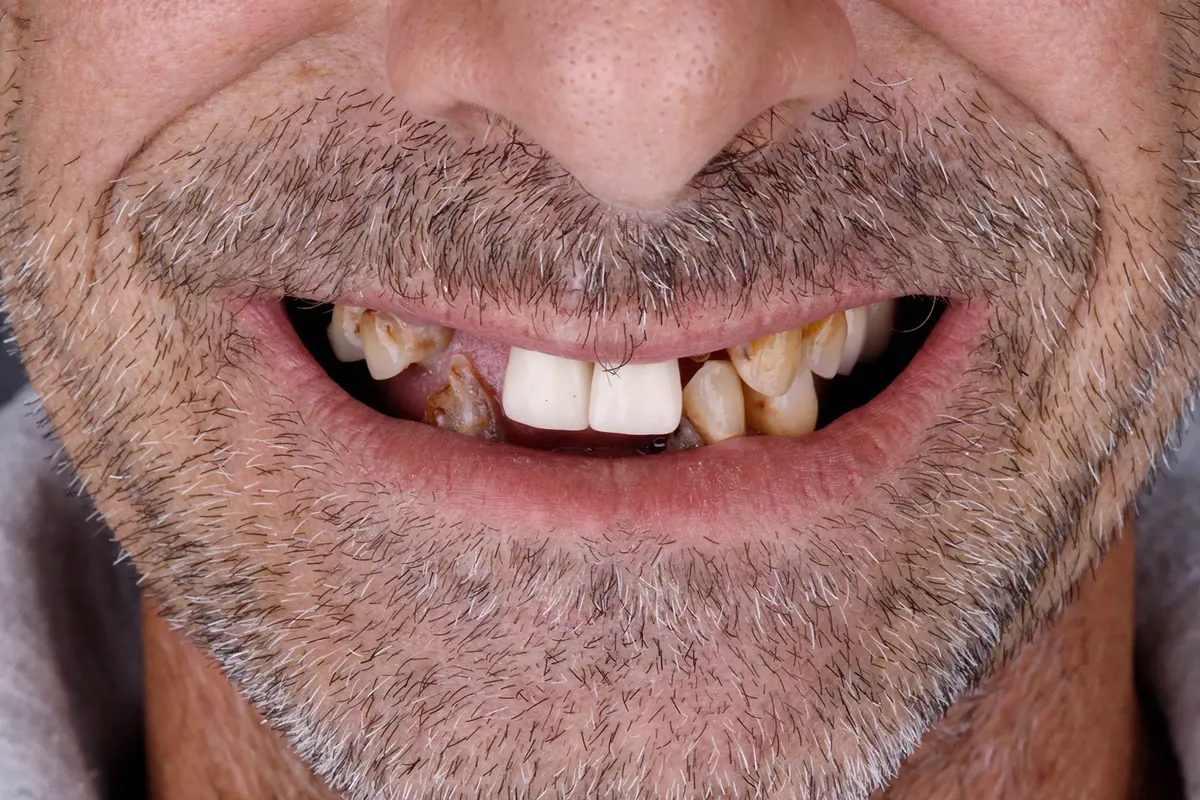
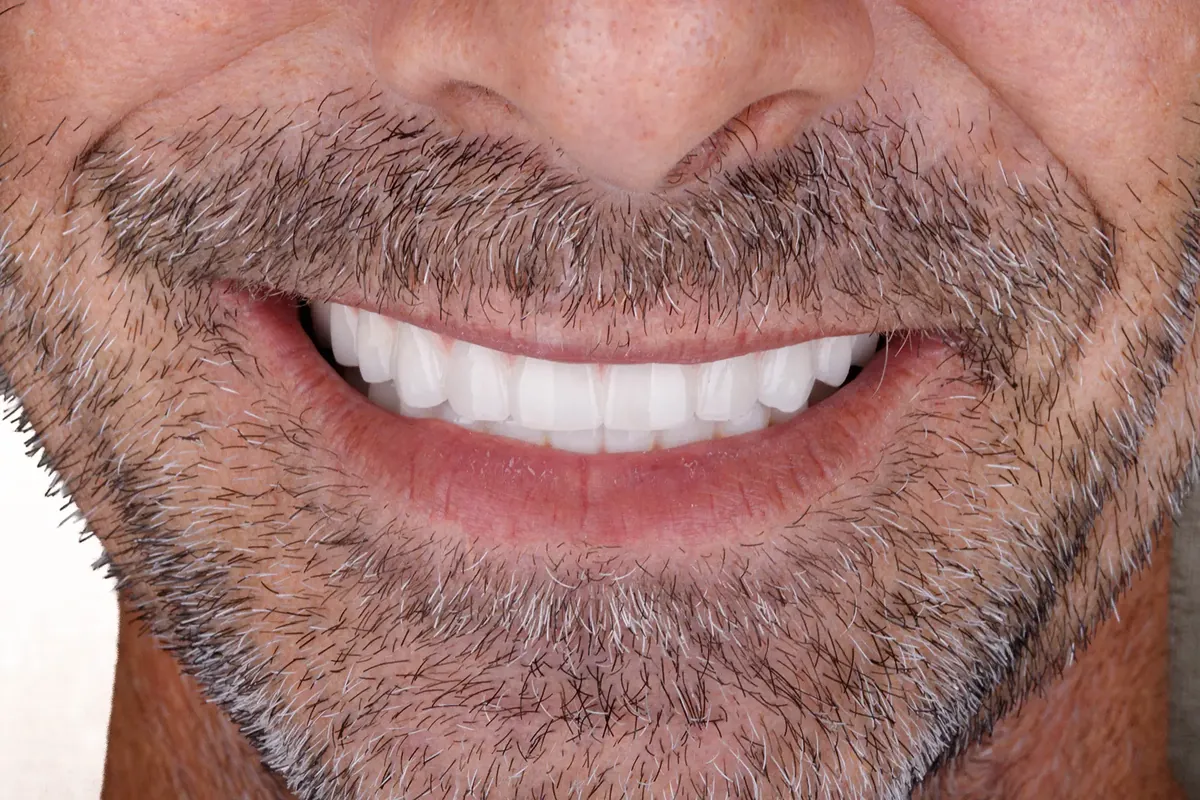
Patient transformations
What patients ask
Clear answers to common questions. For guidance shaped around your health and goals, a personal consultation is the right place to begin.
Possibly. Specialized designs use bone structures that conventional implants cannot, which is why candidacy is determined by examination and 3D imaging rather than by a previous opinion.
A custom-designed framework that rests on the jawbone beneath the gum tissue, with posts that support a restoration — an option when jawbone volume will not support conventional implants.
Longer implants anchored in the cheekbone (zygoma) or in the pterygoid region behind the upper jaw, used when the upper jaw lacks the bone for conventional implant placement.
Failing and previously treated cases are evaluated individually with 3D imaging. Samuel F. Jirik DDS reviews what remains viable before any recommendation is made.
Clarity before commitment
You receive a written plan with itemized fees before treatment begins, along with a review of payment and financing options.
Your next chapter
A personal evaluation brings your options into focus. Begin with a thoughtful conversation.
(501) 825-5151 · 606 W Main St, Cabot, AR 72023